

If you’re looking into boiler installation, one of the first questions you’ll probably ask is, “How long is this actually going to take?” It’s a fair question. You don’t want to be without heating or hot water any longer than necessary, especially in the middle of a Derbyshire winter.
The honest answer is that it varies. Some jobs are straightforward and done in a day. Others can take a bit longer, depending on your home and what you’re replacing. Below, we’ll break it down in plain English so you know what to expect and how to plan ahead.
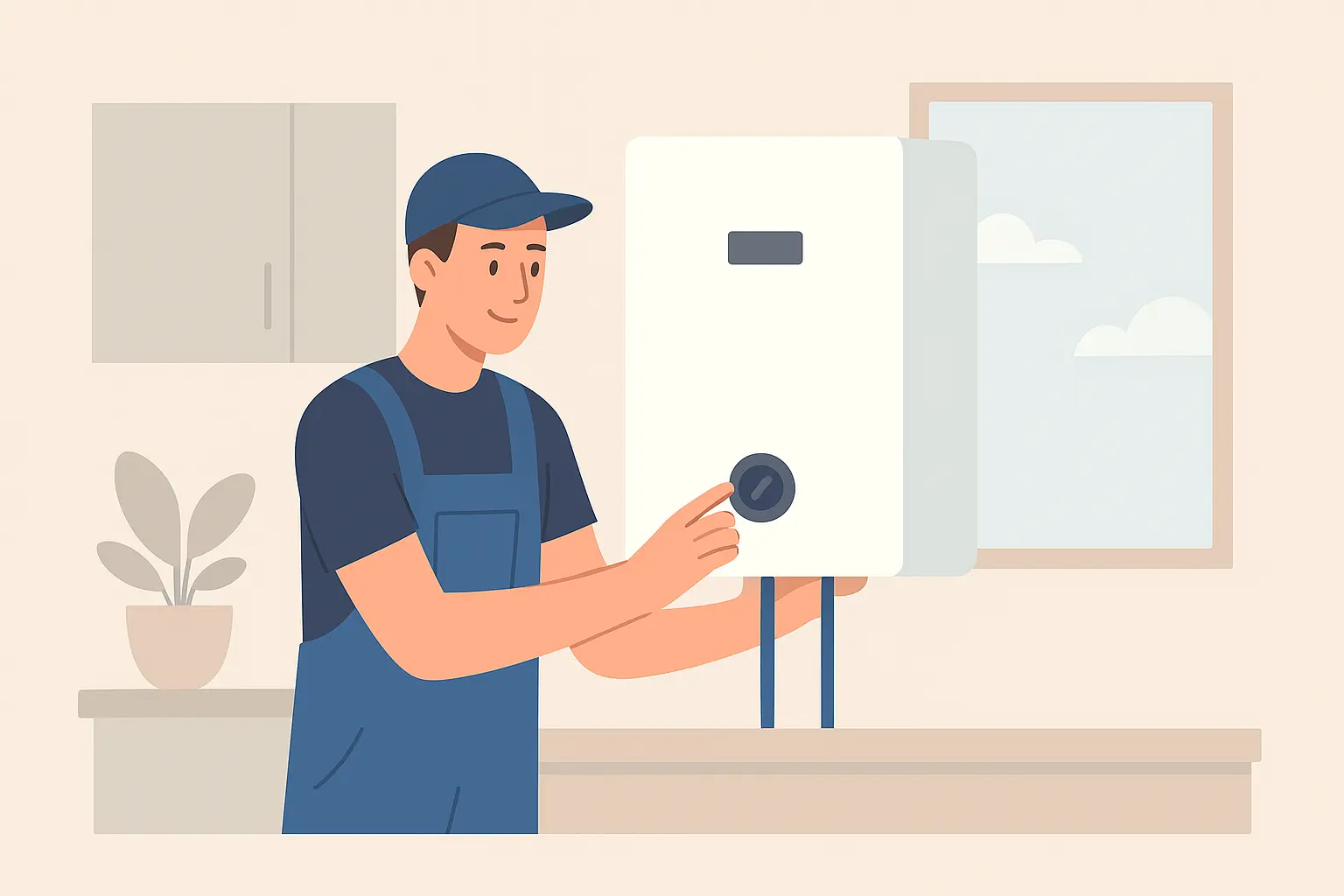
Why Boiler Installation Times Vary
No two homes are exactly the same. A modern semi in Belper is very different from a stone cottage in Wirksworth. The layout, the existing pipework and even where the current boiler sits all play a part.
When homeowners in Derby or Ripley ask us for a time estimate, the first thing we look at is what kind of swap it is. Replacing a combi with another combi in the same position is usually much quicker than changing from a conventional system to a combi and moving it upstairs.
Average Time for a Boiler Installation
In most standard replacements, you’re looking at around one day. That typically means six to eight hours on site.
Here’s a rough idea:
- Like-for-like boiler swap in the same location: 1 day
- System conversion, such as regular to combi: 1 to 2 days
- Relocating the boiler to a new room: 1 to 2 days
- Larger properties with system upgrades or flushing required: up to 2 days
This is a general guide. A proper survey is always the best way to give you a realistic timeframe.
Factors That Affect Installation Time
Several things can add or remove a few hours from the job.
Boiler Type
Combi boilers tend to be quicker to install if they’re replacing another combi. Switching from a system with a hot water cylinder and tanks in the loft usually takes longer because pipework needs reconfiguring.
Location of the Boiler
If the new boiler is going in the same cupboard as the old one, that saves time. Moving it from the kitchen to the airing cupboard or the garage involves additional pipework, flue changes and sometimes electrical adjustments.
Upgrades to Gas or Pipework
Modern boilers often require a larger gas supply pipe than older models. If the existing pipe isn’t up to current standards, it’ll need upgrading. It’s not complicated work but it can add time.
System Cleanliness
If your radiators are sludged up, a powerflush or chemical flush may be needed. This protects the new boiler but does extend the job slightly. We’ve been in properties in Ripley where one radiator is stone cold at the bottom and that’s a sure sign the system needs attention.
What Happens During a Boiler Installation
A lot of homeowners aren’t sure what actually goes on during the day. In simple terms, it looks like this:
- Isolate services and safely remove the old boiler
- Make any adjustments to pipework and the flue
- Fit and secure the new boiler
- Connect water, gas and electrics
- Flush the system if required
- Test everything thoroughly
- Set up controls and explain how to use them
We’ll also register the boiler with Gas Safe and the manufacturer so your warranty is valid. Before we leave, we make sure you know how to adjust the heating and hot water timings, which is something people often forget in the rush.
How to Prepare for Installation Day
A bit of preparation makes the day smoother for everyone.
Clear access to the boiler area. If it’s in a kitchen cupboard, empty it out beforehand. If it’s in the loft, make sure there’s safe access and decent lighting.
Keep pets safely out of the way. It’s surprising how many curious dogs want to inspect a toolbox.
If you work from home, remember there will be some noise while drilling for the flue or adjusting pipework. It’s usually short bursts rather than constant disruption.
Can You Speed Up the Process?
To a point, yes. Choosing a straightforward replacement and deciding on the boiler model early helps avoid delays. Having someone available to answer questions on the day also prevents hold ups.
That said, a proper installation shouldn’t be rushed. Safety checks, gas tightness testing and system setup take the time they take. A careful job now saves breakdowns later.
Choosing the Right Installer
Time matters but quality matters more. A rushed or poorly installed boiler will cause far more inconvenience than an extra few hours on day one.
Look for a Gas Safe registered engineer with solid local experience. If you’re based in Wirksworth, Ripley, Belper or Derby, it’s worth choosing someone who knows the area and the types of properties common there.
You can also learn more about ongoing support and what to do if something isn’t quite right by visiting the service and repairs page.
Conclusion: Planning Your Boiler Installation
For most homes, a boiler installation takes one day. More complex jobs may run into a second day, particularly if the system is being converted or upgraded. The key is having a clear plan, realistic expectations and an experienced engineer who will talk you through the process.
If you’re thinking about replacing your boiler and want straightforward advice tailored to your home, Martyn Young Heating can guide you from start to finish. Get in touch today to arrange your boiler installation or request a free, no-obligation quote.
Get in touch today to arrange your boiler installation or request a free, no-obligation quote.